


The following workshop are held in HRDC:
- Psychosexual dysfunction assessment and management
- Professional social and communication skills
- Motivational interviewing
- Suicidal ideation management
- Mindfulness
- Psychological First Aid
- Emotional regulation
Social skills and communication training
Hands-on Social Skills and communicaitionTraining: Through social skills training, a person’s social abilities are enhanced so that they can participate more effectively in various social activities.Social Skills Training is an evidence-based scientific method aimed at improving and understanding an individual’s social relationships. By developing both verbal and non-verbal communication skills used in social interactions, this training seeks to strengthen a person’s overall social competence.
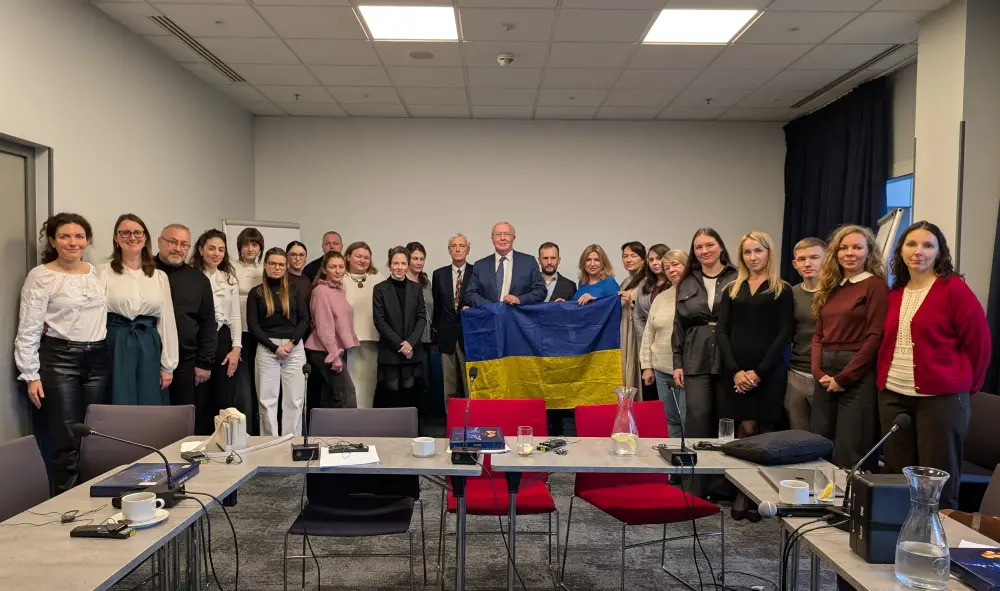

What will you learn from this workshop?
- Improve your social skills
- Improve communication with others
- Identify shortcomings in your social skills and address them accordingly
- Develop better listening skills
- Strengthen relationships with others
- Learn how to start, maintain, and end a conversation
- Learn how to say “no” to others
- Make requests at the appropriate time
- Accept others’ refusal at the appropriate time
- Overcome social anxiety
- Improve presentation skills
Mindfulness:
In addition to medical treatment, mindfulness was developed as a stress management technique by medical scientist Dr. Jon Kabat-Zinn, which later achieved universal acceptance as an effective approach. Mindfulness means intentionally focusing on the present moment for a specific purpose without any kind of judgment.
Mindfulness is a practice through which you can control your mind, instead of your mind controlling you. Most people are actually forgetful, which is the opposite of mindfulness. Due to this forgetful nature, they cannot be in the right place at the right time. They remain stuck in either the past or the future. Their minds get trapped in multiple thoughts, fears, regrets over mistakes, and emotions. They cannot keep their minds in the present.If you are able to be mindful, you will not be forgetful. A mindful person can keep their mind in the present and under control.
Benefits of Mindfulness Practice:
Mindfulness can be practiced in all situations and under any circumstances. Regular mindfulness practice not only improves mindfulness skills but also impacts many other areas of life. Here are some brief benefits of mindfulness practice:
- Mindfulness improves a person’s sense of life.
- It increases life satisfaction.
- Practicing being present helps in dealing with worries about the future.
- Mindfulness helps in managing mental stress and anxiety.
- It reduces thoughts about past failures and helps in overcoming depression.
- Staying present enables better communication with people around you.
- Mindfulness reduces mental stress and helps in maintaining sound physical health.
- Regular mindfulness practice improves the amount and quality of sleep.
- Regular mindfulness practice helps reduce anxiety-related headaches.
- Regular mindfulness practice helps keep the heart healthy.
- Mindfulness is widely used in psychological treatment.
- Regular mindfulness practice helps to maintain good mental health.
Trainer
This training will be conducted by Clinical Psychologist Jianur kabir and Senior Psychologist of Human Rights Development Centre.
For various reasons, people often experience a great deal of stress. Some individuals become mentally distressed after being affected by disasters. Others have close ones who suffer from mental illness and do not know how to take care of them. While some can heal such wounds through their own mental strength, many cannot.
At present, these wounds can be addressed through Psychological First Aid (PFA). Providing short-term support to help an individual cope with a mental crisis is called Psychological First Aid.Even without being a psychologist, you can provide Psychological First Aid after taking this training
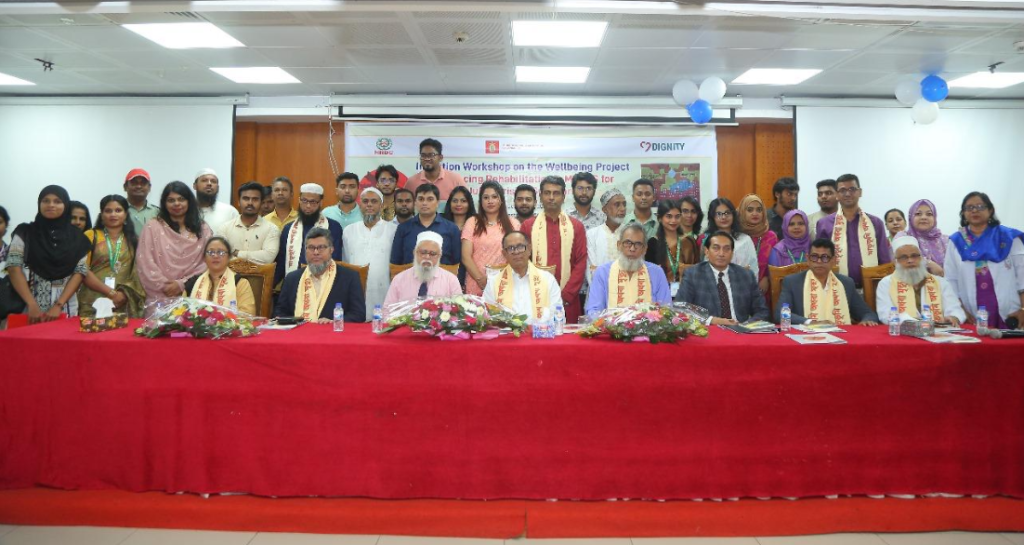

From this workshop you will learn:
- What Psychological First Aid is, when to apply it, and how to provide it.
- How to provide mental health support at the community level with PFA training.
- How to provide initial psychological support through PFA.
- How to ensure immediate safety and peace for a distressed person through PFA.
- How to help someone manage immediate psychological stress through PFA.
- How to reduce the suffering of mentally ill patients in the family through PFA.
- How PFA training and practice can help you qualify for jobs in government and non-government organizations.
- How to enhance your social skills through PFA training.
Seats are limited; book yours today.A certificate will be provided after the workshop.