
Human Rights Education Training
Comprehensive, survivor-centred Human Rights Education Training services for individuals
who have experienced torture, violence, and severe trauma.
Our approach is grounded in international human rights principles and global standards on
rehabilitation, recognizing that recovery is not only medical, but also psychological, social,
and legal in nature.
Human Rights Education Training
Human Rights Education Training equips individuals with the knowledge, skills, and values needed to understand, promote, and protect human dignity. Grounded in real-life experiences, it encourages critical reflection, dialogue, and active participation rather than passive learning. The training views human rights as lived realities shaped by social, cultural, and political contexts, including the tensions between competing rights and values. By fostering analytical thinking and inclusive discussion, participants are empowered to challenge injustice, engage in decision-making, and contribute to building fair, democratic, and rights-respecting societies.
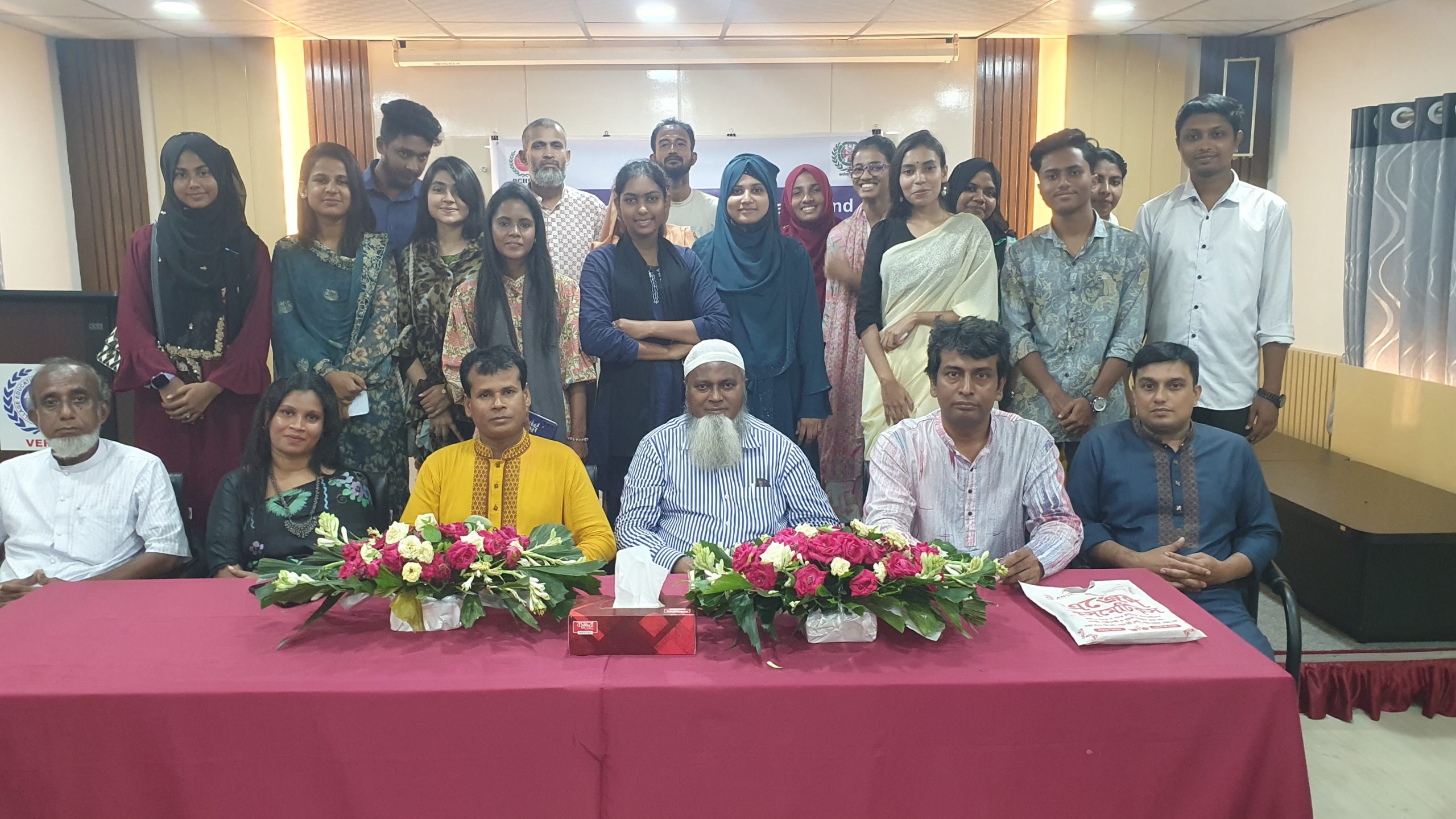
Why a Participatory Approach to Human Rights Education matters
A participatory approach is central to effective human rights education because human rights are lived, contested, transformative, and reflective in nature. Instead of treating learners as passive recipients of information, participatory methods recognize them as active subjects capable of shaping meaning and social change. First, human rights are part of everyday experience. They are not abstract concepts found only in legal texts but are closely connected to our lived realities of dignity, exclusion, privilege, and oppression. Participatory learning invites individuals to reflect on their own experiences and responsibilities, helping them understand human rights as a way of life rather than merely a set of rules. Second, human rights are grounded in values that often conflict. Tensions such as freedom of expression versus protection from harm or economic development versus environmental protection rarely have simple answers. Participatory education creates space for dialogue, debate, and critical reflection, enabling learners to analyze complexity and appreciate diverse perspectives. Third, human rights education aims at social transformation. Rooted in social justice, it seeks to empower individuals as agents of change. Inspired by transformative educational approaches, participatory learning helps people move from passive roles to active engagement in shaping their communities and societies. Finally, human rights education must spark reflection. True participation centers learners’ voices—including those that challenge dominant views. By encouraging reflection rather than imposing values, participatory human rights education models the very rights it seeks to uphold and strengthens democratic, inclusive societies