
Care4caregivers+
Care4Caregivers+ recognizes that safeguarding the wellbeing of human rights workers is a prerequisite for sustainable human rights action.
Care4caregivers+
Human rights defenders, MHPSS professionals, legal professionals, social workers and community workers carry the emotional and moral weight of others’ suffering as they protect dignity, support survivors, and uphold democratic values. Their work is essential, yet prolonged exposure to trauma, systemic injustice, and high-pressure environments places significant psychological, emotional, and professional strain on these frontline actors. Over time, repeated engagement with survivors of torture, violence, and discrimination—whether through direct service provision, documentation, advocacy, or legal action—can lead to vicarious trauma, moral distress, burnout, and diminished professional effectiveness. Without adequate care and support, the wellbeing of those who provide care, protection, and justice is at risk.
Care4Caregivers+ recognizes that safeguarding the wellbeing of human rights workers is a prerequisite for sustainable human rights action. To maintain resilience, ethical practice, and long-term capacity, caregivers and defenders require continuous training, reflective supervision, peer support, and structured wellbeing interventions—ensuring they can continue their work without compromising their own mental health and dignity. Care4Caregivers+ affirms that those who care for others must also be cared for, and that wellbeing is integral to effective, ethical, and sustainable human rights work.
Read MoreLess
The “+” in Care4Caregivers+ reflects HRDC’s inclusive approach to staff care. It recognises that wellbeing support is not limited to those in direct contact with survivors. Staff working in cleaning, monitoring, finance, administration, and other support roles also play a vital role in the rehabilitation and justice process and may be exposed to stress and trauma through their work. Care4Caregivers+ affirms that all staff, regardless of role, are entitled to care, protection, and psychosocial support.
How Are You Doing?
Are You Feeling Stressed?
Body
Physical Signs
Mind
Cognitive Difficulties
Emotions
Emotional Signs
Behavior
Behavioral Signs
What Care4Caregivers+ Offers

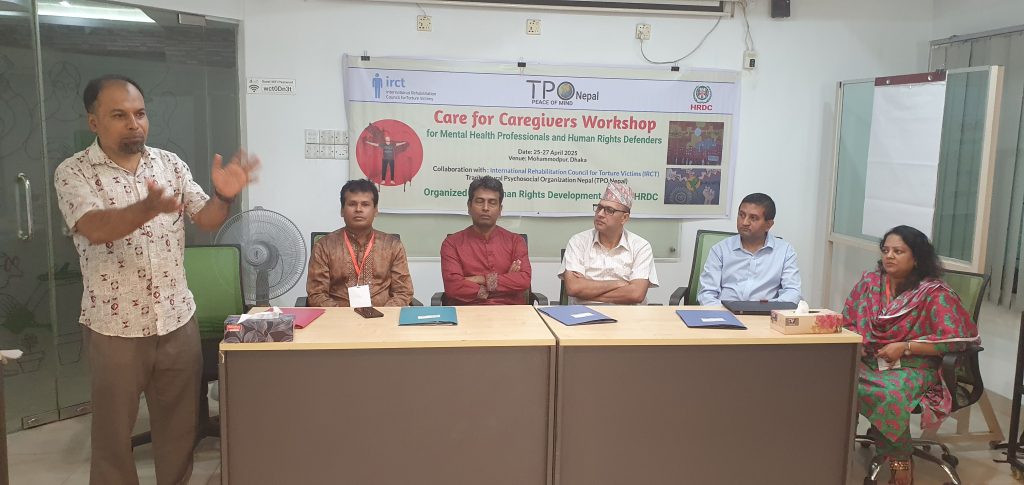
Training & Capacity Building
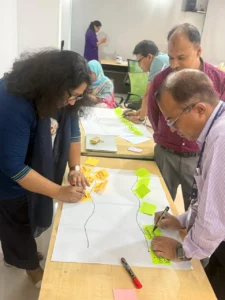
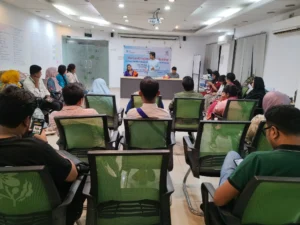
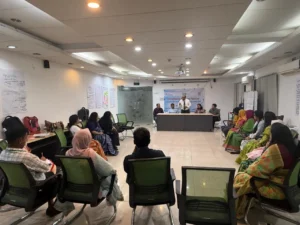
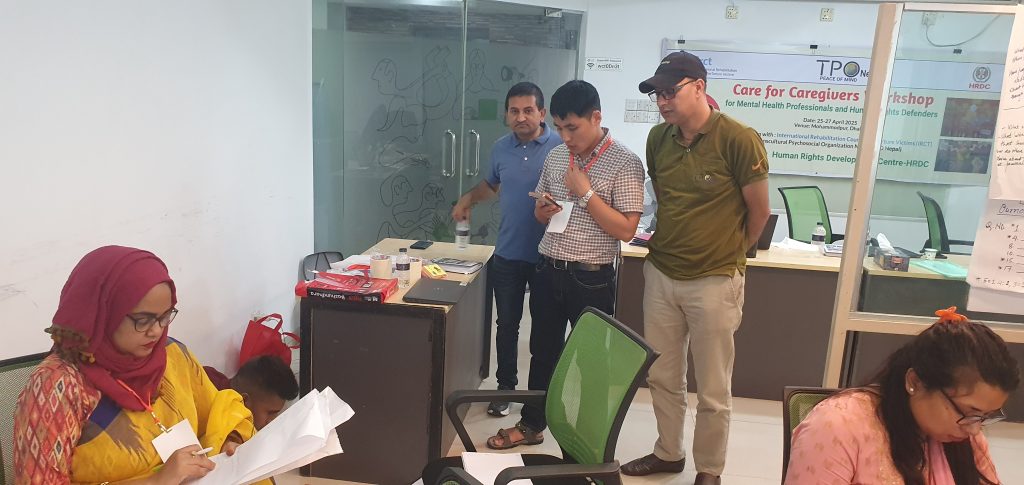
Interactive trainings designed to help professionals and organizations understand and manage the psychological impact of human rights work.
- Understanding vicarious trauma, burnout, and compassion fatigue
- Psychological self-care and collective care strategies
- Ethical and trauma-informed practice
- Stress management and emotional regulation
- Leadership training on staff wellbeing and duty of care
Group Support & Reflection Sessions
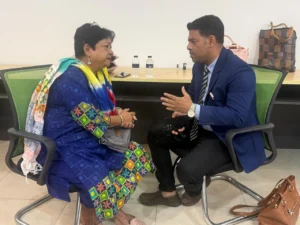
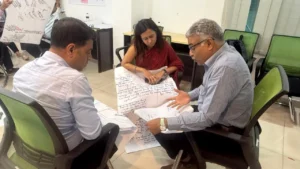
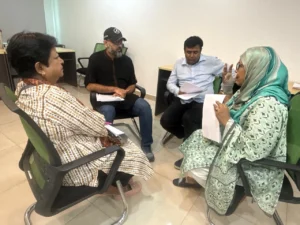
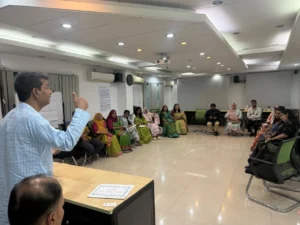
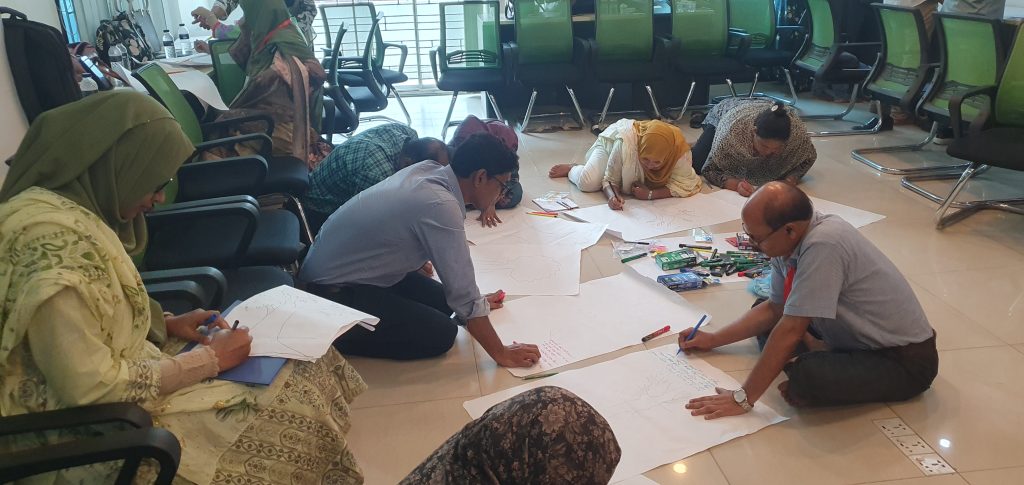
Facilitated group spaces that promote peer support, shared learning, and collective resilience.
- Peer support groups for human rights workers
- Reflective practice and case discussion sessions
- Team debriefings after critical incidents
- Safe spaces for emotional processing and mutual support
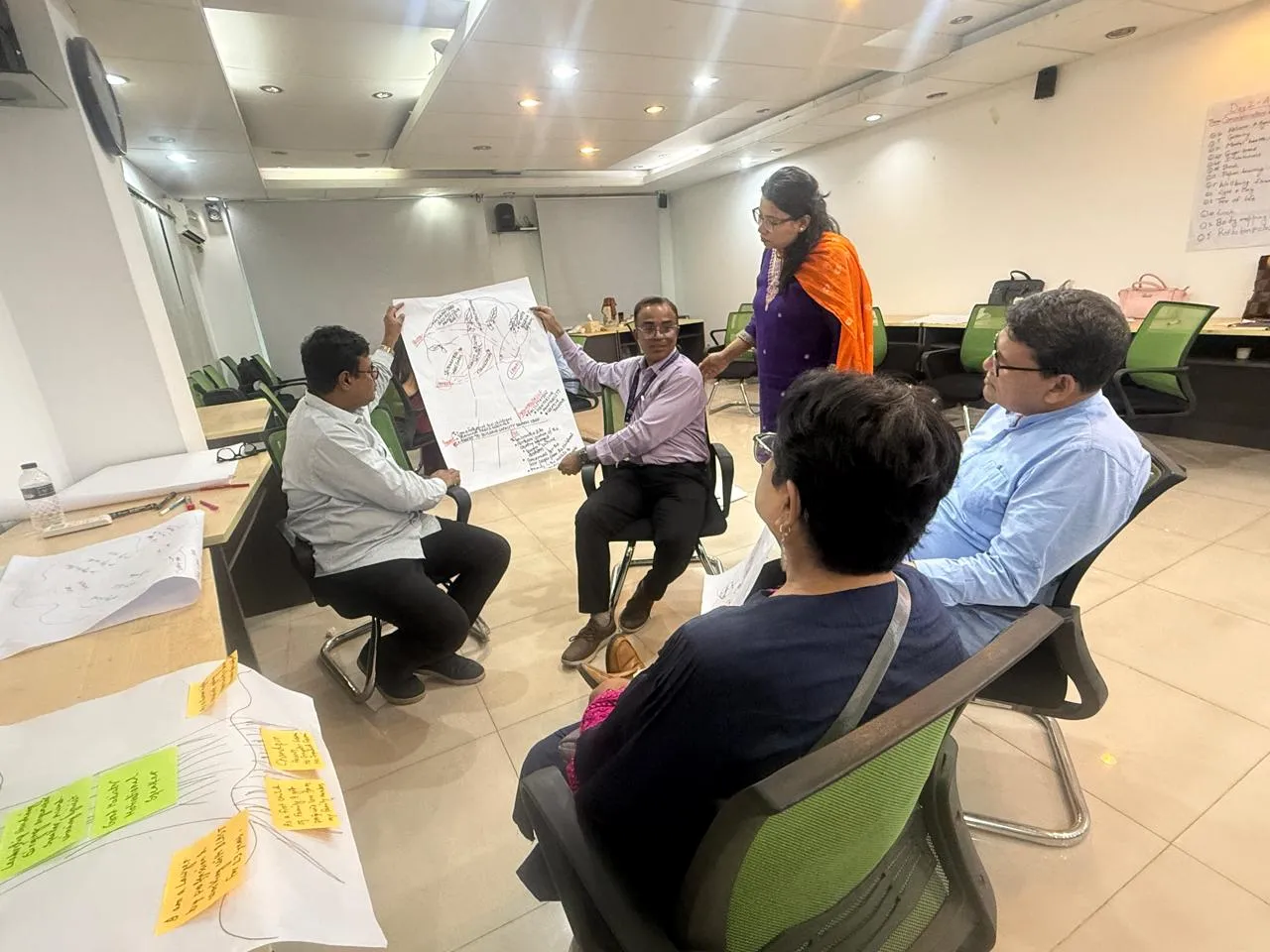
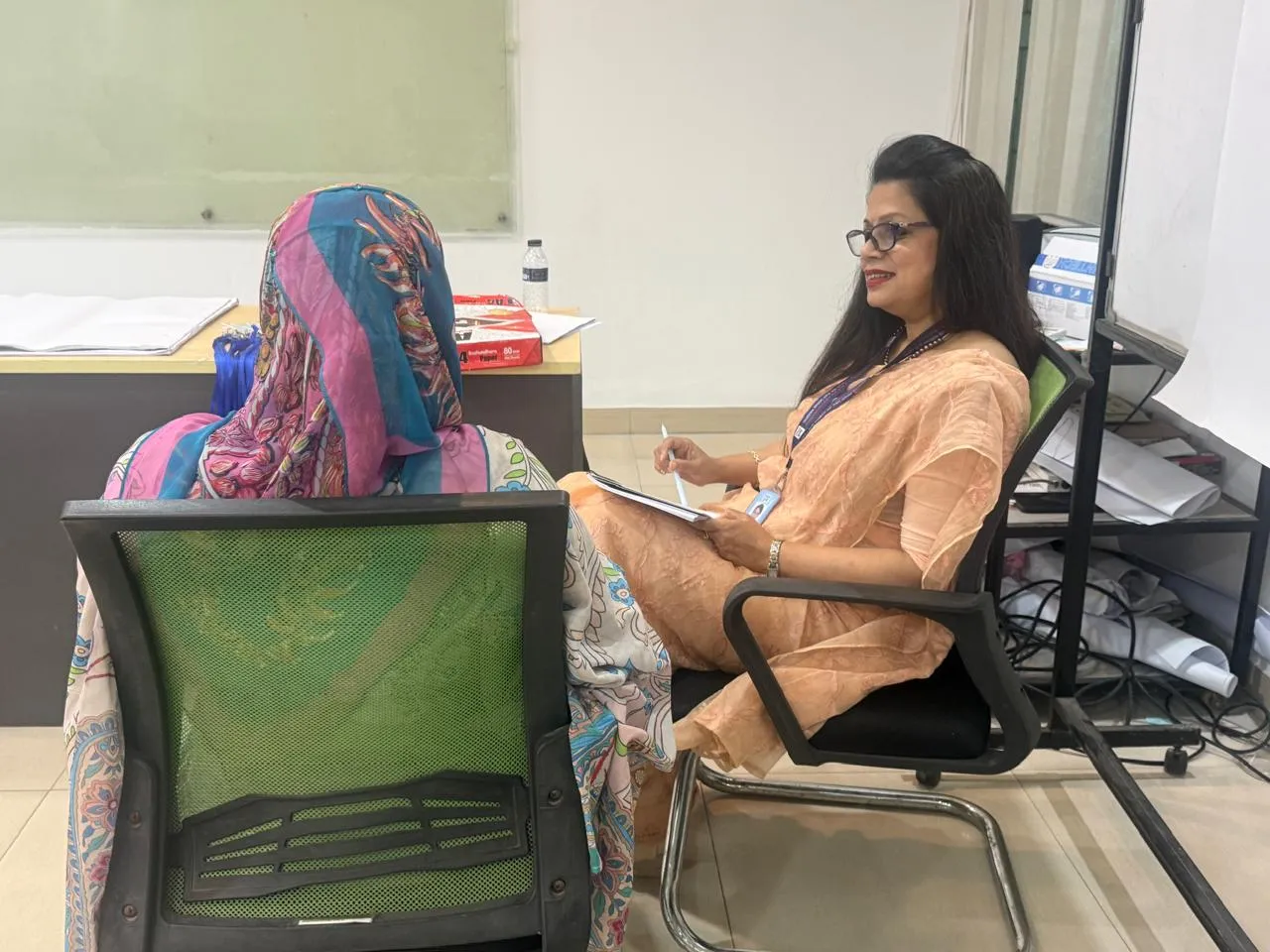
Individual Support Sessions
Confidential one-to-one support for caregivers experiencing stress, emotional exhaustion, or trauma-related challenges.
- Individual counselling and psychosocial support
- Short-term therapeutic support
- Professional supervision and reflective coaching
- Referral to specialized services when needed
Supervision & Organizational Support
Strengthening institutions to embed wellbeing into everyday practice.
- External clinical and reflective supervision
- Organizational wellbeing assessments
- Support to develop internal care and supervision systems
- Guidance on staff safety, boundaries, and ethical sustainability
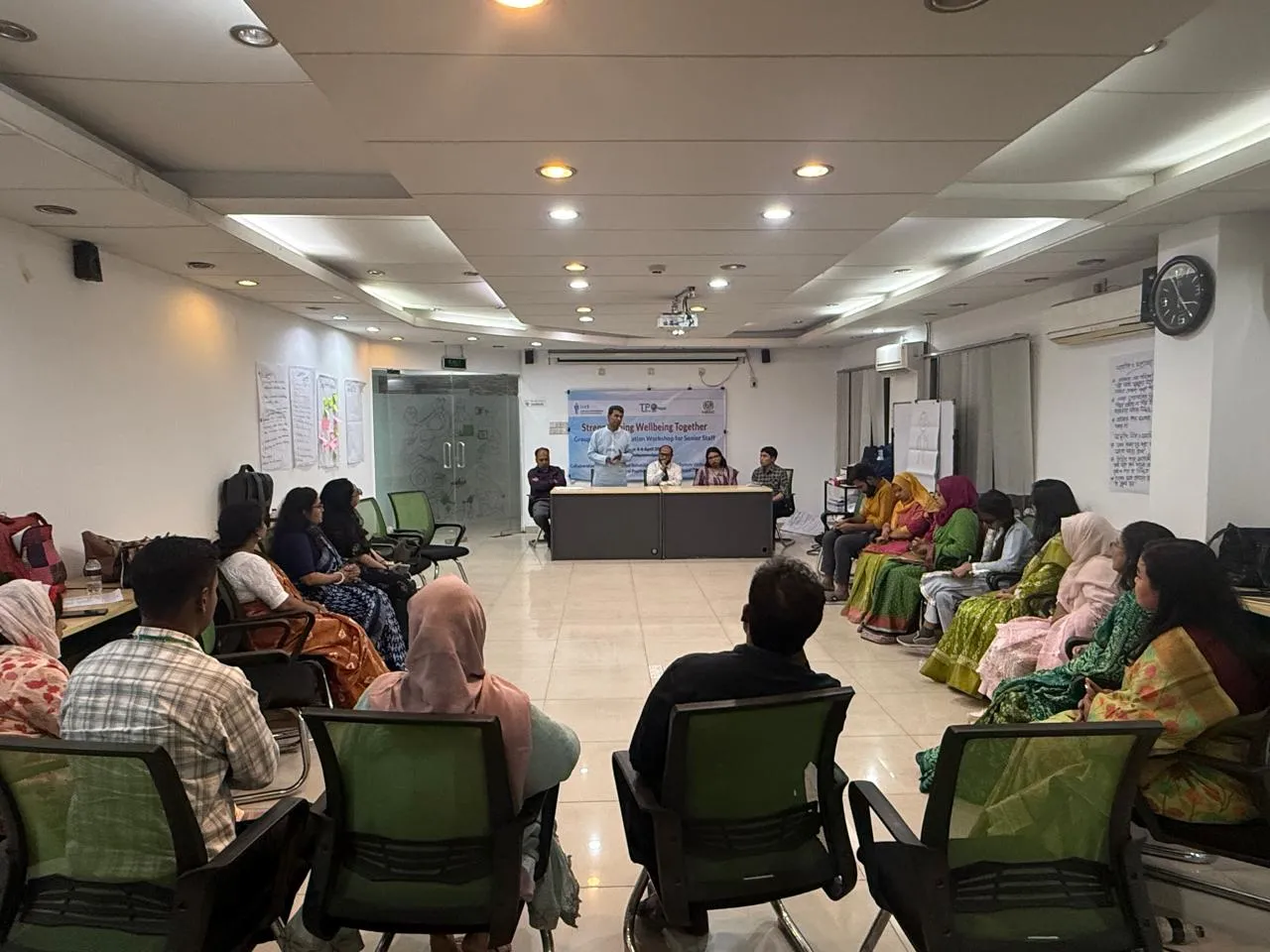
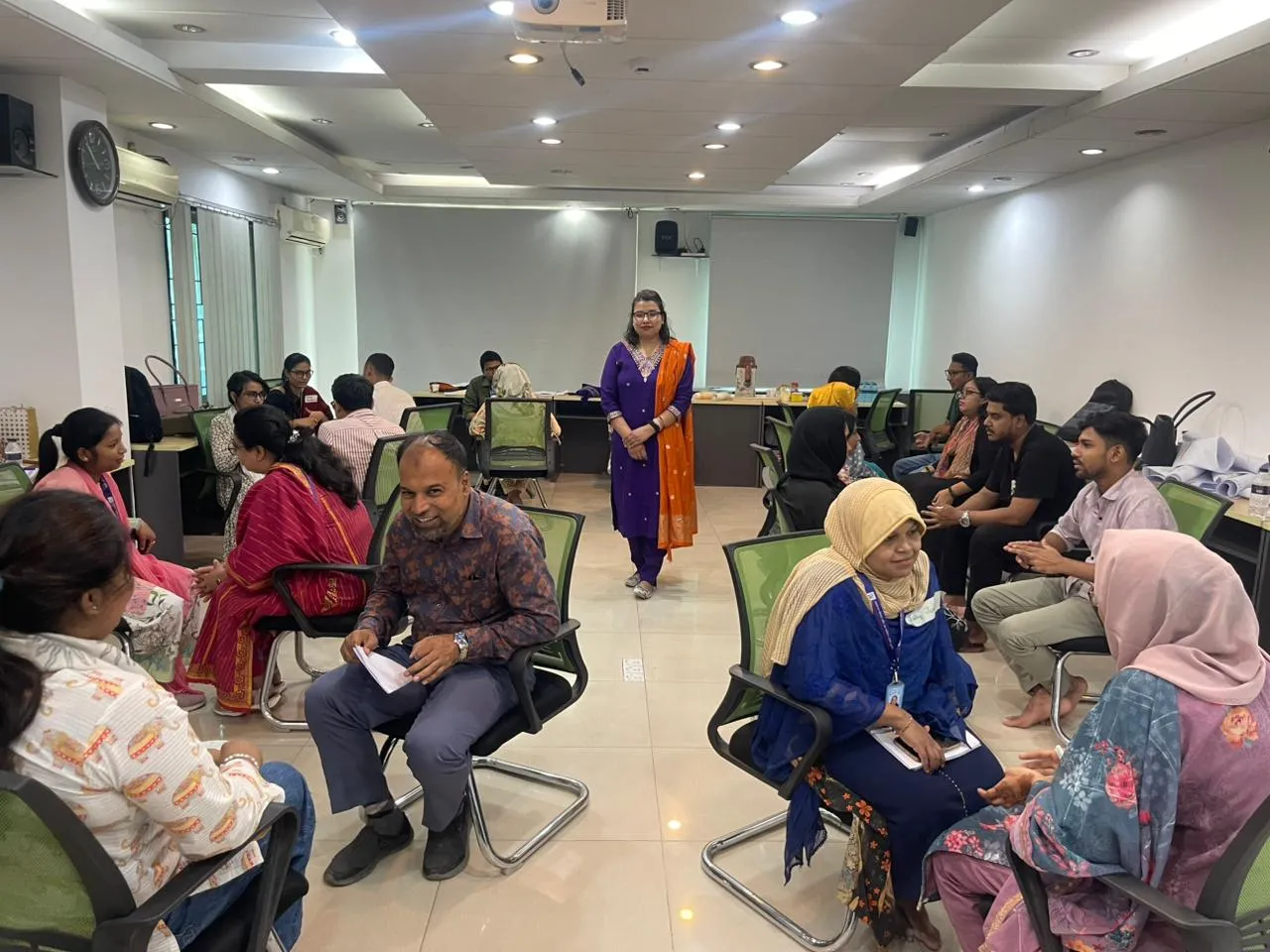
Expert Support & Global Networks
When specialized support is required, HRDC facilitates access to trusted national and international experts
- Specialized training and consultation
- Capacity development for supervisors and managers
- Tailored interventions based on organizational needs
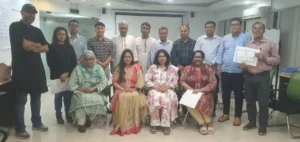
Showcasing our work and achievements